

As temperatures begin to drop and winter approaches, your car’s cooling system can face additional challenges. Although coolant leaks can occur at any time of year, colder weather can sometimes expose existing weaknesses in ageing hoses, seals and other cooling system components.
Have you noticed that your car’s coolant level keeps dropping? Perhaps you’ve had to top it up more frequently, spotted a puddle underneath your vehicle or noticed that your heating isn’t working quite as well as it should. While a small change in coolant level might not seem particularly worrying, a car losing coolant can indicate a problem that needs attention.
Your engine’s cooling system plays an important role throughout the year, helping regulate engine temperature and protecting against freezing in colder conditions. Even a relatively small leak can eventually lead to overheating and potentially expensive engine damage.
If you’re preparing your vehicle for colder weather, our guide to autumn car checks covers other important maintenance areas worth checking.
So, why might your car be losing coolant, particularly as winter approaches, and what warning signs should you look out for?
Why Is Engine Coolant Important?
Engine coolant, often referred to as antifreeze, circulates through your vehicle’s cooling system to help regulate engine temperature. It helps prevent overheating during normal operation and protects against freezing in colder conditions. The correct coolant also contains additives that help protect internal components against corrosion. Unlike fuel, coolant isn’t normally consumed as part of everyday driving. In a healthy, sealed cooling system, the level should remain relatively stable. If you’re regularly topping it up, there’s usually a reason worth investigating.
Coolant is just as important during warmer weather. Our summer car checks guide explains why checking engine fluids matters throughout the year.
1. A Leaking Radiator
The radiator helps release heat from the engine’s coolant as it circulates through the cooling system. Over time, radiators can develop leaks due to corrosion, physical damage or deterioration. You might notice damp patches around the radiator, coloured fluid underneath the front of the vehicle or a coolant level that gradually drops. Even a small leak can worsen, particularly as the cooling system heats up and becomes pressurised.
2. Damaged or Worn Coolant Hoses
Your vehicle uses hoses to carry coolant between the engine, radiator and other cooling system components. These hoses are exposed to repeated heating and cooling cycles. Over time, the rubber can become brittle, swollen or cracked. Clips and connections can also loosen or deteriorate. A leaking hose might leave visible coolant around a connection or create a puddle beneath the car after parking. If you notice a damaged hose, it’s best to have it checked before it fails completely.
3. A Faulty Water Pump
The water pump circulates coolant through the engine and cooling system. If it develops a leaking seal or another fault, coolant may begin escaping. In some cases, a failing pump may also cause unusual noises or problems with coolant circulation.
A water pump fault can become serious because the engine depends on adequate coolant circulation to maintain its operating temperature. If your vehicle is losing coolant and showing signs of overheating, avoid continuing to drive until the cause has been investigated.
4. Problems with the Expansion Tank or Pressure Cap
The coolant expansion tank allows the coolant to expand and contract as its temperature changes. Over time, plastic expansion tanks can develop cracks, while seals and pressure caps may deteriorate. A faulty pressure cap can also prevent the cooling system from maintaining its intended pressure.
These problems can allow coolant to escape, sometimes leaving dried residue around the tank or its connections.
(Ps. Never remove the coolant cap while the engine is hot. The system may be pressurised, and escaping coolant can cause serious burns!)
5. A Leaking Heater Matrix
Your car’s heating system uses hot engine coolant to help warm the cabin. A component called the heater matrix transfers heat from the coolant to the air entering the interior.
If the heater matrix develops a leak, you may notice some unusual symptoms, including:
- A sweet or chemical smell inside the car
- Damp carpets, particularly near the dashboard
- Persistent interior window misting
- A gradual loss of coolant
- Reduced heating performance
These symptoms can have other causes, but if several appear together, it’s worth having the heating and cooling systems inspected.
6. A Head Gasket Problem
The head gasket helps seal the connection between the engine block and cylinder head. If it fails, coolant may escape externally or enter areas of the engine where it shouldn’t.
Possible warning signs include persistent white exhaust vapour after the engine has warmed up, unexplained coolant loss, overheating or contamination of the engine oil. However, these symptoms don’t automatically confirm a head gasket failure. For example, some white vapour from the exhaust is normal condensation, especially during cold weather. A professional diagnosis is important before assuming the worst.
7. A Leak That’s Difficult to See
Not every coolant leak leaves an obvious puddle on the driveway. Some leaks only occur when the engine reaches operating temperature and the cooling system becomes pressurised. Others may allow small amounts of coolant to evaporate on hot engine components before reaching the ground. This can make the problem difficult to identify through a simple visual inspection. A garage may use a cooling system pressure test or other diagnostic methods to help locate the source of the leak.
What Are the Warning Signs of Low Coolant?
A coolant leak doesn’t always become obvious immediately. Some common warning signs include:
- Regularly needing to top up the coolant
- A low coolant warning message
- An engine temperature gauge rising above normal
- Puddles or damp patches beneath the vehicle
- A sweet smell around the engine or inside the cabin
- Reduced cabin heating
- Steam coming from beneath the bonnet
If your engine temperature rises unusually high or an overheating warning appears, find somewhere safe to stop and switch off the engine. Continuing to drive an overheating vehicle can cause significant damage.
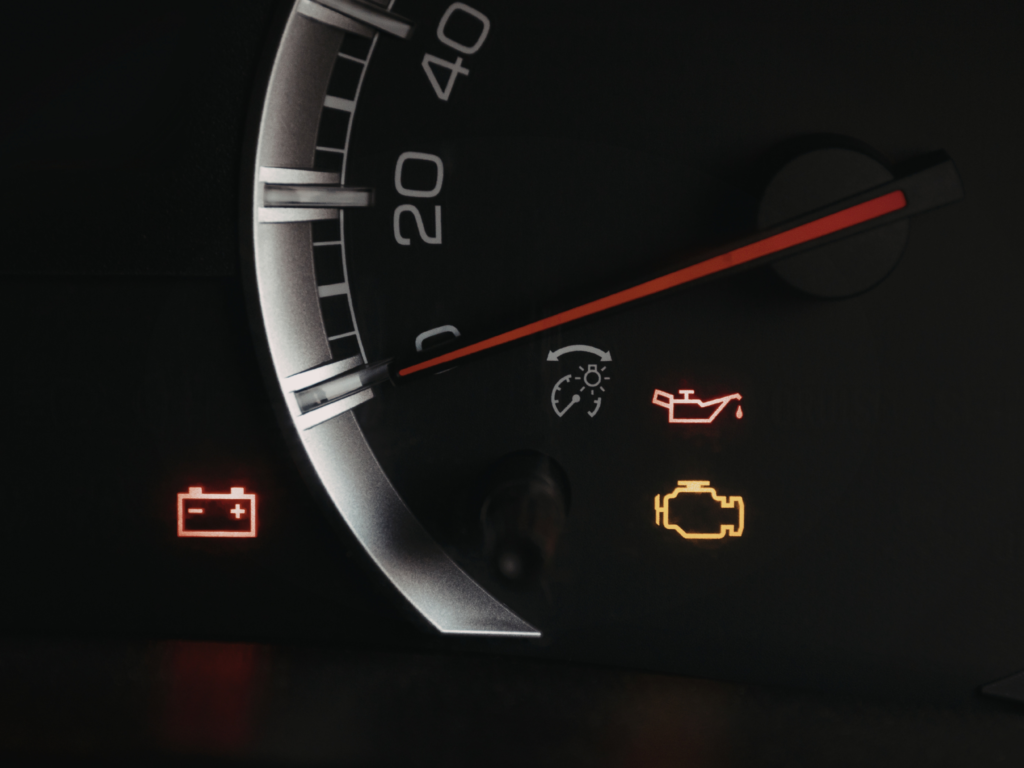
An overheating engine may also trigger a dashboard warning. Our guide to dashboard warning lights explains what these warnings can mean and when to take action.
Can You Drive with Low Coolant?
It’s not worth taking unnecessary risks. If the coolant level is low, the engine may struggle to regulate its temperature properly. A vehicle with a minor leak might initially appear to drive normally, but the problem can worsen without warning. If your car is overheating, losing coolant rapidly or displaying a serious temperature warning, stop safely and arrange assistance rather than attempting to continue your journey. If you simply notice that the coolant level is slightly below the recommended mark when the engine is cold, consult your vehicle handbook and investigate why the level has dropped. Always use the correct coolant specification for your vehicle.
Is It Normal to Top Up Coolant Occasionally?
Coolant levels can fluctuate slightly between a hot and cold engine, which is why manufacturers provide minimum and maximum markings on the expansion tank. However, regularly needing to add coolant isn’t something to ignore. Repeated top-ups can temporarily hide a developing problem without addressing the cause. If you’re unsure whether the coolant loss is normal, having the system inspected can help identify any underlying issue.
Get Your Cooling System Checked Before a Small Problem Becomes a Bigger One
A car losing coolant doesn’t automatically mean you’re facing an expensive repair. Sometimes the cause is a deteriorated hose, faulty cap or another relatively straightforward component. In other cases, the problem may require more detailed investigation.
The important thing is identifying the cause before it leads to overheating or further damage. At Redhill Classics, we work on everything from everyday cars and family vehicles to cherished classics.
Whether your vehicle needs routine servicing, mechanical repairs or investigation into a developing problem, our team can help assess what’s happening and advise on the next steps.
Noticed your coolant level dropping? Contact Redhill Classics in Redhill, Surrey, to arrange an inspection and get the problem checked.
Whether your vehicle needs routine servicing or a mechanical inspection, our team can help investigate developing problems and advise on the next steps.
Coolant Level Dropping?
Don't wait for a small leak to become a bigger problem. Get your cooling system checked before overheating causes costly damage.
Get in Touch