
As temperatures begin to fall and winter approaches, your car’s battery can face a tougher time than it did during the warmer months.
There’s nothing quite as frustrating as getting into your car on a cold morning, turning the key or pressing the start button, and discovering that the engine won’t start. Unfortunately, car battery problems often become more noticeable during colder weather, particularly if the battery is already ageing or struggling to hold its charge.
The good news? Your car may give you a few warning signs before the battery fails completely. Here are seven things to look out for and what you can do to reduce the chances of being left stranded this winter.
1. Your Engine Is Slow to Start
One of the most common signs of a weakening car battery is an engine that takes longer than usual to start. You might notice that the engine turns over more slowly, particularly first thing in the morning or after the vehicle has been parked for several days. Cold temperatures reduce a battery’s ability to deliver power, while the engine may require more effort to start. If your car is becoming increasingly reluctant to start, don’t wait until it stops altogether. A battery and charging system check can help identify the cause.
2. You Hear a Clicking Noise When Starting
You turn the key, but instead of the engine starting, you hear a clicking sound. Sound familiar?
A rapid clicking noise can sometimes indicate that the battery doesn’t have enough power to operate the starter motor properly. However, clicking noises can also be associated with poor electrical connections or starter motor faults. Rather than assuming the battery needs replacing, it’s worth having the problem investigated.
3. Your Headlights Appear Dimmer Than Usual
Your car relies on its electrical system to power everything from the headlights and dashboard to the heating fan and infotainment system. If your headlights appear unusually dim, particularly before the engine starts, it could indicate a weak battery. However, dimming lights while the engine is running may also point towards a charging system problem. Pay attention to changes in brightness or electrical performance, especially if they’re accompanied by difficulty starting the vehicle.
4. Electrical Features Start Behaving Strangely
Modern vehicles depend heavily on electrical systems. Electric windows, central locking, infotainment screens and other features all require a reliable power supply. If you begin noticing unusual electrical behaviour alongside starting difficulties, a weak battery or charging system fault could be responsible.
These symptoms don’t automatically mean the battery is failing, but they shouldn’t be ignored:
- Intermittent electrical faults
- Infotainment systems unexpectedly restarting
- Slow or inconsistent electrical operation
- Dashboard messages relating to battery voltage
- Difficulty using certain electrical features
5. Your Battery Is Getting Older
Car batteries don’t last forever. Many conventional car batteries last approximately three to five years, although their actual lifespan depends on the vehicle, battery type, driving habits, climate and maintenance. Some last considerably longer, while others need replacing sooner. If your battery is several years old and you’ve started noticing changes in starting performance, it may be worth having it tested before winter arrives. A battery test can help assess its condition rather than relying on age alone.
6. You Mostly Make Short Journeys
Do you regularly use your car for the school run, quick trips to the shops or short journeys around town? Frequent short journeys can contribute to car battery problems, particularly during colder weather. Starting the engine requires a significant amount of electrical energy. Once the engine is running, the charging system helps replenish that energy.
However, repeated short journeys may not provide enough opportunity to replace the charge used during starting, especially when electrical accessories are also in use. Over time, the battery can become increasingly discharged. If you mainly make short journeys, regular battery checks can be particularly worthwhile.
7. Your Battery or Charging Warning Light Appears
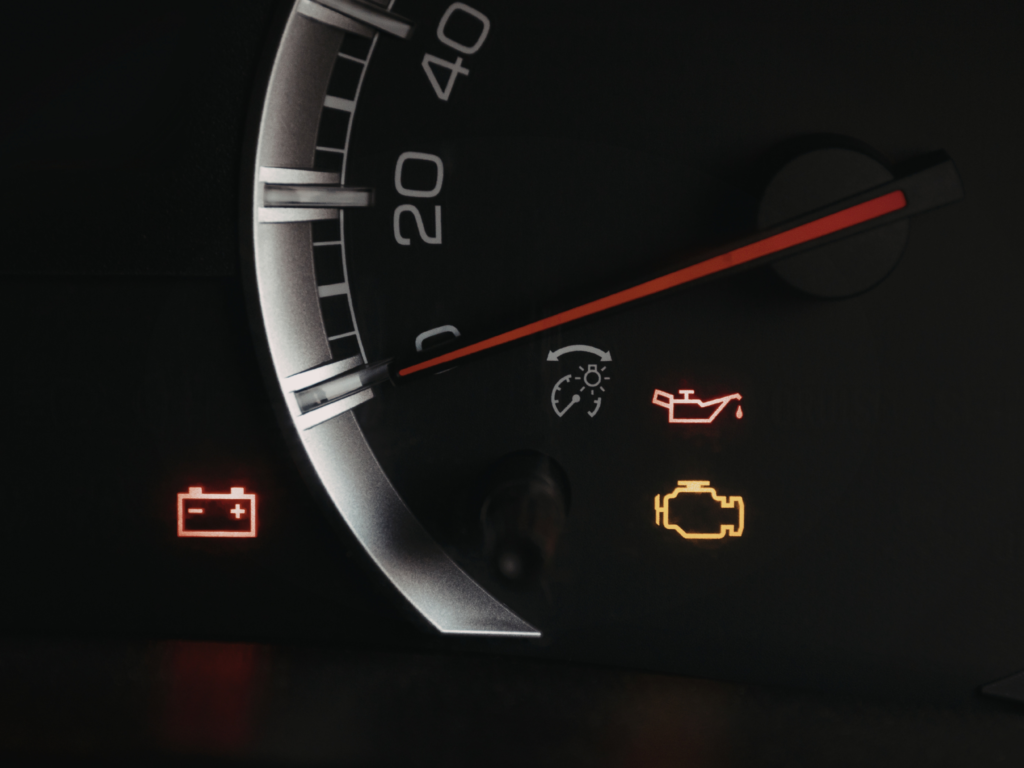
A battery-shaped warning light on your dashboard deserves attention. However, it’s important to understand that this symbol doesn’t necessarily mean the battery itself needs replacing. When the light remains illuminated while the engine is running, it commonly indicates a problem with the vehicle’s charging system.
Possible causes include:
- Alternator faults
- Drive belt problems
- Wiring or electrical connection issues
- Other charging system faults
If the warning appears while driving, switch off unnecessary electrical accessories where safe to do so and arrange assistance promptly. The vehicle may stop running if the charging system cannot maintain the electrical supply.
For more information about common warning symbols, read our guide to Dashboard Warning Lights: Which Ones Should You Never Ignore?
Why Does Cold Weather Affect Car Batteries?
Cold weather doesn’t necessarily cause a healthy battery to fail, but it can expose an existing weakness. As temperatures fall, the chemical reactions inside a conventional lead-acid battery slow down, reducing the power it can deliver. At the same time, starting a cold engine can require more effort. Add increased use of headlights, heating fans and heated windows, and winter can place additional demands on your vehicle’s electrical system. That’s why a battery that performed adequately throughout summer may begin struggling as temperatures drop.
Can You Prevent Car Battery Problems?
Although you can’t prevent every battery failure, a few simple habits can help reduce the risk.
Keep an eye on starting performance
If your engine sounds slower than usual when starting, investigate the cause early.
Check your battery’s condition
Look for visible corrosion around accessible terminals, but avoid interfering with electrical connections unless you know the correct procedure.
Avoid leaving electrical accessories running
Lights and other electrical equipment can drain the battery when the engine is switched off.
Consider your driving habits
If your vehicle is used infrequently or mainly for short journeys, an appropriate battery maintainer may help, particularly for cars stored for extended periods.
Arrange a battery check
Testing the battery and charging system can help identify developing problems before they leave you stranded.
Is It Always the Battery?
Not necessarily. A vehicle that struggles to start may have a battery problem, but similar symptoms can arise from other faults. These can include starter motor problems, alternator faults, poor electrical connections or issues with the vehicle’s fuel or ignition systems. Simply fitting a new battery won’t resolve a fault elsewhere in the starting or charging system. That’s why identifying the underlying cause is important before replacing parts unnecessarily.
Get Your Car Ready for Winter with Redhill Classics
Winter is rarely a convenient time to discover that your car has developed a problem. If you’ve noticed slow starting, unusual electrical behaviour or warning lights, getting your vehicle checked sooner rather than later could save you an inconvenient breakdown.
At Redhill Classics, we work on everything from everyday cars and family vehicles to cherished classics. Whether your car needs diagnostics, routine servicing or mechanical repairs, our team can help investigate problems and advise on the next steps.
Worried about your car starting this winter? Get in touch with Redhill Classics and arrange a check before the colder weather arrives.