

Your car’s exhaust system works hard every time you drive, helping to reduce emissions, control noise levels, and ensure your engine performs efficiently. Yet it’s one of the most overlooked parts of a vehicle until something goes wrong. A common question many motorists ask is: How long should a car exhaust last?
The answer depends on several factors, but most standard exhaust systems typically last between 5 and 10 years. However, driving conditions, maintenance, and the quality of the exhaust itself can all have a significant impact on its lifespan.
In this guide, we’ll explain what affects your car exhaust lifespan, how to spot potential problems, and when it may be time for a repair or replacement.
What Does a Car Exhaust System Do?
Your exhaust system performs several important functions:
- Directs harmful gases away from the engine and passengers
- Reduces engine noise
- Helps improve fuel efficiency
- Controls emissions
- Supports overall engine performance
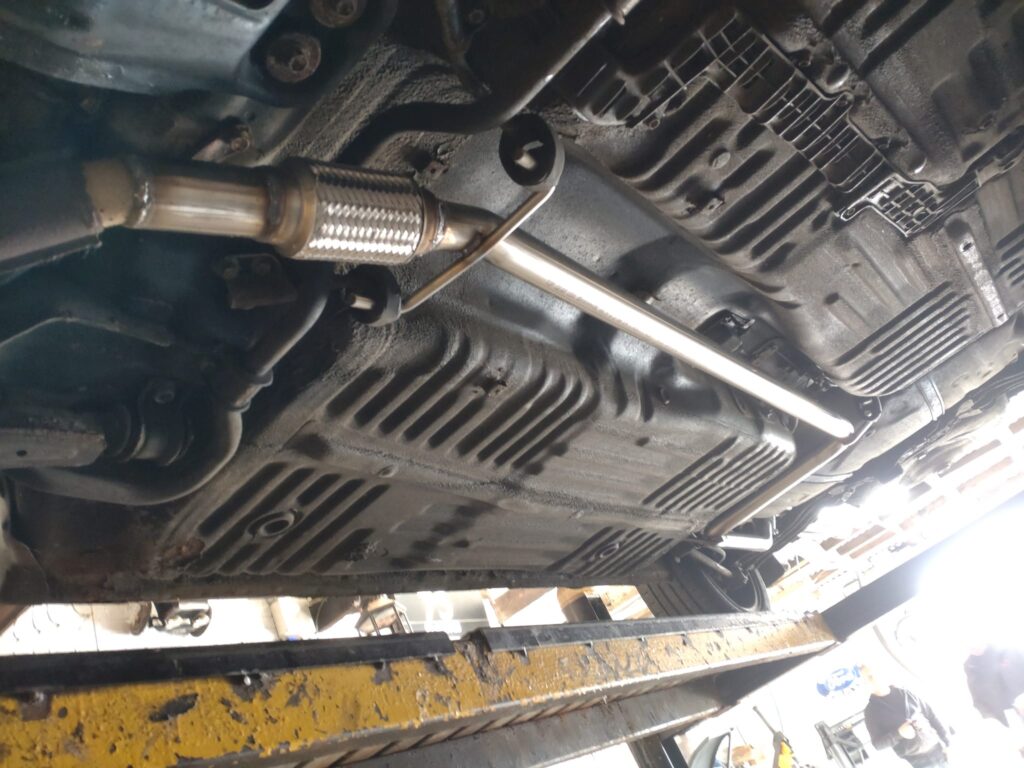
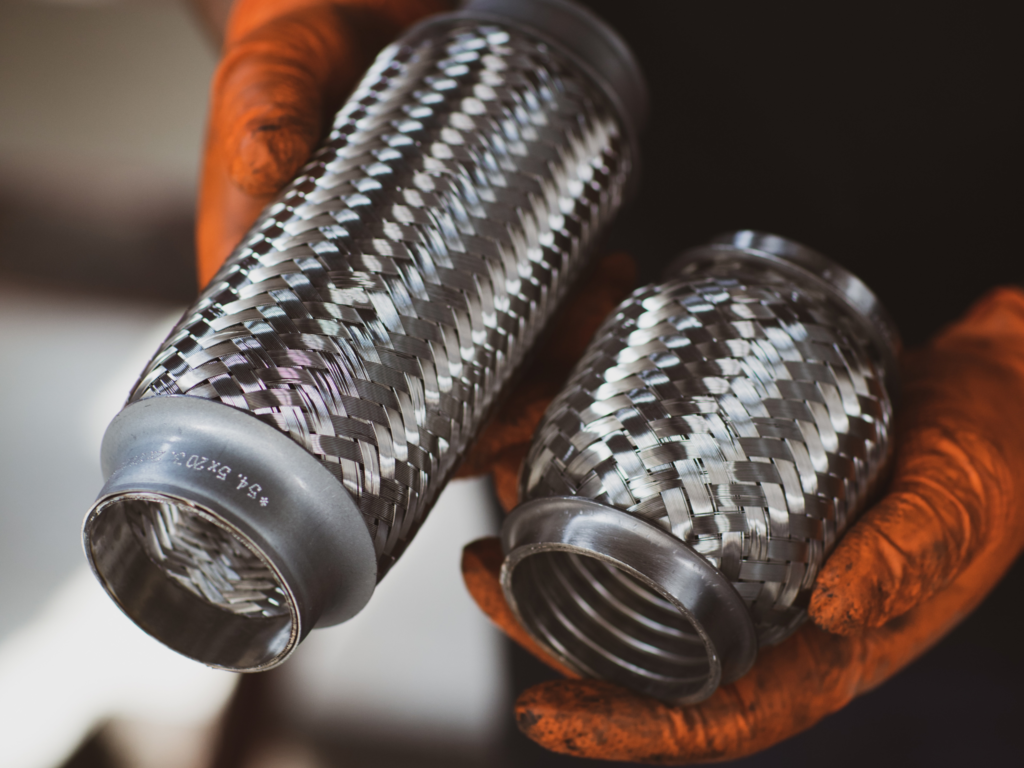
A typical exhaust system includes the exhaust manifold, catalytic converter, flexi joint, pipework, silencers, and tailpipe. Because these components are constantly exposed to heat, moisture, road salt, and vibration, wear and tear is inevitable over time.
Average Car Exhaust Lifespan
The exact lifespan will vary depending on how and where the vehicle is driven.
As a general guide:
- Standard mild steel exhausts often last between 5 and 7 years.
- Higher-quality exhaust systems may last 7 to 10 years.
- Stainless steel exhausts can last 10 years or more when properly maintained.
Factors That Affect Exhaust Lifespan
Driving Habits
Frequent short journeys can shorten the lifespan of an exhaust system. Short trips often don’t allow the exhaust to heat up fully, causing condensation to build up inside the pipes and silencers. Over time, this moisture can lead to internal corrosion.
Road Conditions
Vehicles driven regularly on roads treated with salt during winter are more susceptible to rust and corrosion. Salt can accelerate the deterioration of metal components, particularly on older exhaust systems.
Vehicle Age
As a vehicle gets older, exhaust components naturally experience more wear. Rubber hangers can weaken, brackets may corrode, and joints can become vulnerable to leaks.
Exhaust Material
The material used plays a major role in durability. Standard exhausts are often manufactured from mild steel, which is more prone to corrosion. Stainless steel exhaust systems offer superior resistance to rust and can significantly extend the life of the system.
Signs Your Exhaust May Need Attention
A failing exhaust system often provides warning signs before complete failure occurs.
Common symptoms include:
Increased Exhaust Noise
One of the first signs of an exhaust problem is a louder-than-normal engine or exhaust note. This can indicate a crack, hole, or failed joint within the system.
Rattling Sounds
Loose brackets, damaged heat shields, or internal silencer failure can create rattling noises, particularly when accelerating or driving over uneven surfaces.
Reduced Fuel Efficiency
A damaged exhaust can affect engine performance and fuel consumption. If you notice you’re filling up more frequently than usual, it may be worth having the exhaust inspected.
Visible Rust or Damage
Surface rust is common on older vehicles, but significant corrosion can weaken the exhaust structure and eventually lead to holes or leaks.
Failed MOT Emissions Test
Exhaust faults can contribute to emissions failures during an MOT inspection, particularly if leaks or catalytic converter issues are present.
Can an Exhaust Be Repaired?
In many cases, yes. Minor issues such as damaged flexi joints, small leaks, or worn brackets can often be repaired without replacing the entire system. Early diagnosis can help prevent more extensive damage and reduce repair costs.
When Should an Exhaust Be Replaced?
A professional inspection can determine whether repair or replacement is the most suitable option. Replacement may be necessary when:
- Corrosion is widespread
- Multiple components have failed
- Structural damage is severe
- Repairs are no longer cost-effective
Are Stainless Steel Exhausts Worth It?
Many vehicle owners choose stainless steel exhaust systems because of their durability and long-term value.
Benefits include:
- Increased resistance to corrosion
- Longer lifespan
- Improved appearance
- Enhanced performance potential
- Reduced likelihood of future repairs
For drivers planning to keep their vehicle for several years, a custom stainless steel exhaust can often prove a worthwhile investment.
How to Extend Your Car Exhaust Lifespan
While wear and tear cannot be avoided completely, there are ways to maximise the lifespan of your exhaust:
- Drive longer journeys occasionally to reduce condensation build-up
- Have your exhaust inspected during routine servicing
- Address rattles and unusual noises promptly
- Wash road salt from the underside of the vehicle during winter
- Repair minor issues before they become major problems
Final Words From Redhill Classics
The average car exhaust lifespan is typically between 5 and 10 years, although factors such as driving habits, road conditions, and material quality can influence how long it lasts.
If you’ve noticed increased noise, rattling, corrosion, or reduced performance, it’s worth having your exhaust inspected before a small problem becomes a costly repair.
At Redhill Classics, we specialise in exhaust repairs, flexi joint replacements, custom stainless steel exhaust systems, and vehicle servicing. Our experienced team can assess your exhaust system and recommend the most cost-effective solution to keep your vehicle performing at its best.
Contact us today to arrange an inspection or discuss your exhaust requirements.