

Buying a used car can be an excellent way to save money while still finding a reliable vehicle. However, without the right checks, it’s easy to overlook issues that could lead to unexpected repair bills and costly surprises. Whether you’re buying a classic car, family vehicle, first car, or daily runner, taking the time to inspect the vehicle properly can help you make a more informed decision.
Here’s what to check before handing over your money.
1. Start with the vehicle’s history
Before inspecting the car itself, it’s important to understand its background.
Ask to see:
- Service history records
- Previous MOT certificates
- Maintenance invoices
- Vehicle registration documents
- Number of previous owners
A well-maintained vehicle should have evidence of regular servicing and repairs. Furthermore, a complete service history often indicates that previous owners have looked after the car properly.
If documentation is missing or incomplete, it’s worth asking why.
2. Check the exterior carefully
Walk around the vehicle slowly and inspect it from different angles.
Look for:
- Scratches and dents
- Rust or corrosion
- Poor paint matching
- Misaligned body panels
- Signs of previous accident repairs
While minor cosmetic issues may not be a concern, inconsistencies in paintwork or panel gaps can sometimes indicate previous damage. In addition, check the condition of the headlights, mirrors, and windscreen for cracks or chips.
3. Inspect the tyres
Tyres can reveal a lot about how a vehicle has been maintained.
Check for:
- Adequate tread depth
- Uneven tyre wear
- Cracks in the sidewalls
- Matching tyre brands across the vehicle
Uneven wear may suggest alignment, suspension, or steering issues. Replacing a full set of tyres can be expensive, so it’s worth factoring this into your decision
4. Look under the bonnet
You don’t need to be a mechanic to spot potential warning signs.
Check for:
- Oil leaks
- Coolant leaks
- Damaged hoses
- Excessive corrosion
- Low fluid levels
A clean engine bay isn’t always essential, but obvious leaks or neglected maintenance should raise questions.
5. Check the interior condition
The condition of the interior often reflects how the vehicle has been treated overall.
Inspect:
- Seats and upholstery
- Dashboard condition
- Switches and controls
- Air conditioning
- Windows and locks
Excessive wear compared to the vehicle’s mileage may warrant further investigation.
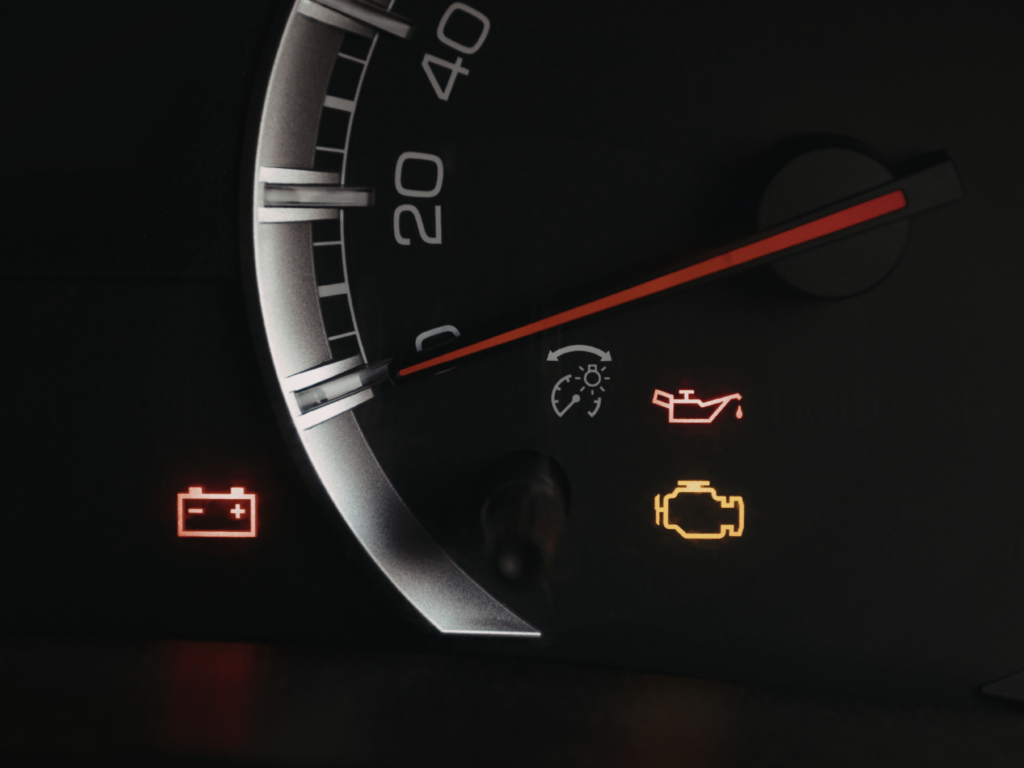
6. Pay attention to warning lights
When the ignition is switched on, dashboard warning lights should illuminate briefly and then go out.
Be cautious if:
- Warning lights remain on
- Certain lights fail to illuminate at all
- Sellers dismiss warning lights as minor issues
Modern vehicles rely heavily on electronic systems, and diagnostic repairs can quickly become costly.
7. Take a proper test drive
A test drive is one of the most important parts of buying a used car.
During the drive, pay attention to:
- Engine performance
- Braking response
- Steering feel
- Gear changes
- Unusual noises or vibrations
The vehicle should feel comfortable, predictable, and responsive. If something doesn’t feel right, trust your instincts and investigate further.
8. Review the service history
Service history can often be more valuable than low mileage alone.
A vehicle that has received regular maintenance is typically a safer purchase than one with lower mileage but poor servicing records.
Look for evidence of:
- Routine servicing
- Brake maintenance
- Timing belt replacement (where applicable)
- Major repairs
- Manufacturer-recommended maintenance
Regular servicing demonstrates ongoing care and helps protect long-term reliability.
9. Don’t rush the decision
Buying a used car is a significant purchase. Therefore, avoid feeling pressured into making a quick decision. Take time to inspect the vehicle properly, ask questions, and review any documentation available. A reputable seller should be happy to provide information and allow you sufficient time to assess the vehicle.
Final Words From Redhill Classics
Buying a used car doesn’t need to be stressful. By carrying out a few simple checks and reviewing the vehicle’s history carefully, you can significantly reduce the risk of unexpected issues later. Whether you’re looking for a reliable daily driver or a future classic, taking a methodical approach will help you buy with greater confidence.
At Redhill Classics, we understand the importance of quality, transparency, and proper vehicle care. That’s why we believe informed buyers make better ownership decisions and enjoy their vehicles for years to come.
Need peace of mind before buying a used car? Get in touch we’d be happy to advise.